There are two ways ecommerce teams usually end up looking at Narvar. The first is because someone recommended it. The second is because everyone else seems to be using it. Neither is a bad reason to start exploring a category.
The interesting part comes later. A team sits through a demo. The platform clearly does a lot. Tracking, returns, customer communication, analytics, integrations, workflows. The list keeps growing.
Then someone asks a question that tends to change the conversation. “How much of this are we actually going to use?” That’s often when the search broadens. Not because Narvar isn’t capable. Most retailers would agree that it is. The issue is usually fit.
Some brands care more about customer communication than enterprise infrastructure. Others want stronger branding, simpler workflows, better analytics, or a platform that feels more aligned with how their business actually operates today.
The alternatives below tend to show up when those conversations begin.
1. WISMOlabs
One reason retailers start exploring alternatives is that shipment visibility isn’t always the same thing as customer confidence.
A customer can have access to tracking information and still feel completely uninformed. Support teams see this all the time. The tracking page says one thing. The customer still sends an email asking for an update.
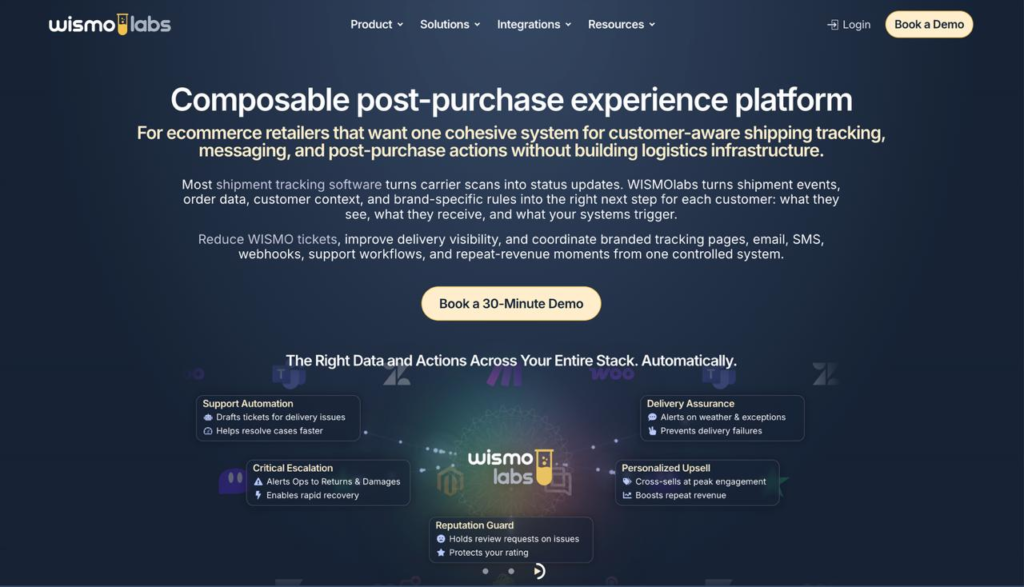
That’s often the point where brands realize they don’t necessarily need more tracking data. They need better communication around that data. WISMOlabs was built around that challenge. Rather than acting as a simple tracking page or generic post-purchase tool, it functions as a contextual customer communication layer during the period between checkout, shipment, delivery, and any follow-up actions, where customers need the most reassurance.
Instead of waiting for customers to look for answers, brands can proactively communicate based on delivery events, shipment exceptions, delays, and order context. The platform combines real-time carrier synchronization, exception handling, branded tracking, and proactive notifications to reduce WISMO tickets and give retailers more control over the delivery journey.
Retailers also keep customers inside branded experiences rather than sending them to carrier websites, which helps create a more consistent post-purchase journey. By combining multi-carrier logistics data with broader customer and order context, WISMOlabs helps teams deliver more relevant communication throughout the post-purchase experience.
The platform normalizes logistics events across carriers and enriches them with order details, customer history, shipment behavior, and optional third-party data to trigger the right customer communication at the right moment.
Some of the capabilities that attract attention include:
- Branded tracking pages
- Intelligent shipment notifications
- WISMO reduction workflows
- Delivery exception communication
- Self-service order lookup
- Customer engagement reporting
- Carrier performance analytics
- Support for 750+ carriers
Many teams discover WISMOlabs while searching for a better way to manage customer expectations after checkout, rather than simply tracking packages. By bringing together logistics data, order information, customer context, and communication workflows, the platform helps retailers keep customers informed, reduce support volume, and maintain greater control over the delivery process.
2. parcelLab
Some retailers view delivery emails as operational messages. Others treat them as part of the customer experience. parcelLab has built much of its reputation with the second group.
The platform is often discussed by brands that care deeply about what customers see after placing an order. Delivery updates, shipment notifications, and milestone messages become opportunities to reinforce the brand rather than simply communicate logistics information.
That perspective tends to resonate with retailers investing heavily in customer retention and engagement. After all, shipment updates are among the most frequently opened emails many brands send.
Companies evaluating parcelLab are often looking for more control over things like:
- Personalized delivery journeys
- Customer engagement workflows
- Delivery milestone messaging
- Branded communication experiences
- Advanced segmentation
- Post-purchase customer analytics
For brands that see post-purchase communication as more than a support function, parcelLab often becomes a serious contender.
3. AfterShip
Sometimes retailers leave enterprise software for a surprisingly simple reason. They want less software. Less configuration. Less complexity. Less time spent learning features that rarely get used. That’s one reason AfterShip continues to attract attention even in a crowded market.
The platform focuses on shipment tracking and delivery visibility without trying to become everything at once. For many ecommerce teams, that simplicity is part of the appeal.
Implementation tends to be relatively quick, carrier support is extensive, and most retailers understand how the platform works within minutes.
Retailers usually mention the same reasons for considering AfterShip:
- Broad carrier coverage
- Branded tracking pages
- Delivery notifications
- E-commerce integrations
- Multi-carrier shipment visibility
- Relatively simple implementation
Not every business needs a large post-purchase ecosystem. Some just want customers to have a better tracking experience.
4. Wonderment
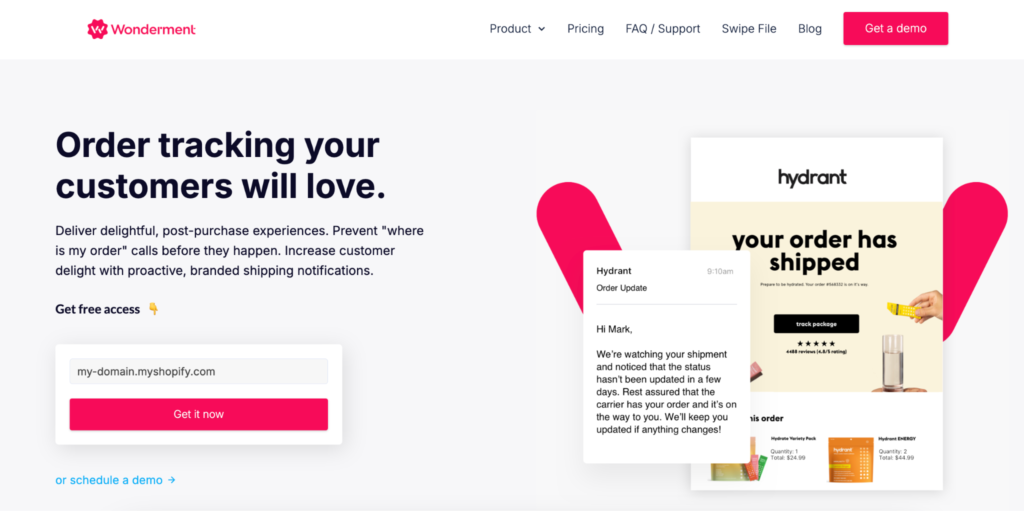
Wonderment often comes up in conversations among Shopify brands for a reason. The platform feels noticeably different from software built primarily for large enterprise retailers.
Rather than trying to solve every challenge inside the post-purchase journey, Wonderment focuses heavily on visibility and customer clarity. Customers know what’s happening with an order. Support teams spend less time answering repetitive delivery questions.
That sounds simple because it is. And for many e-commerce businesses, simplicity can be surprisingly valuable.
Where Wonderment tends to resonate most:
- Shopify-focused workflows
- Real-time order visibility
- Customer-friendly tracking experiences
- Delivery notifications
- Support ticket reduction
- Straightforward implementation
Brands that appreciate Wonderment often aren’t looking for the biggest platform in the category. They’re looking for one that’s easy to live with.
5. Malomo
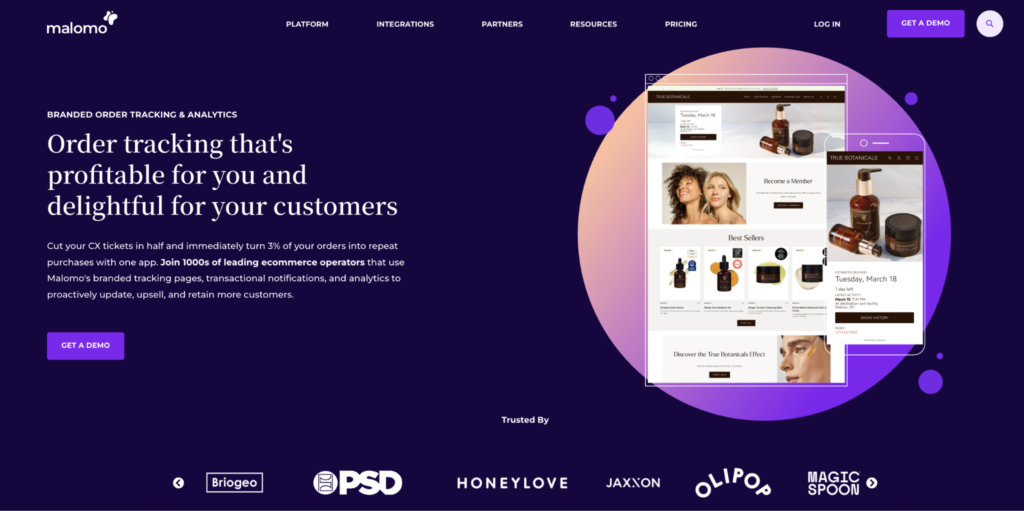
Most retailers spend a lot of time thinking about product pages. Very few spend much time thinking about tracking pages. Malomo was built around the idea that they probably should.
Customers frequently revisit tracking pages while waiting for deliveries. Sometimes they visit several times before an order arrives. That’s attention many brands have already paid to earn. The question is what happens after the customer lands there.
Instead of directing shoppers toward a carrier website, Malomo helps brands create tracking experiences that remain connected to the store, the brand, and the broader customer journey.
The features that usually drive interest include:
- Branded tracking pages
- Customer engagement tools
- Retention-focused experiences
- Product recommendations
- E-commerce integrations
- Easy deployment
For brands that care about what happens after checkout, tracking pages start looking less like utilities and more like opportunities.
6. Parcel Perform
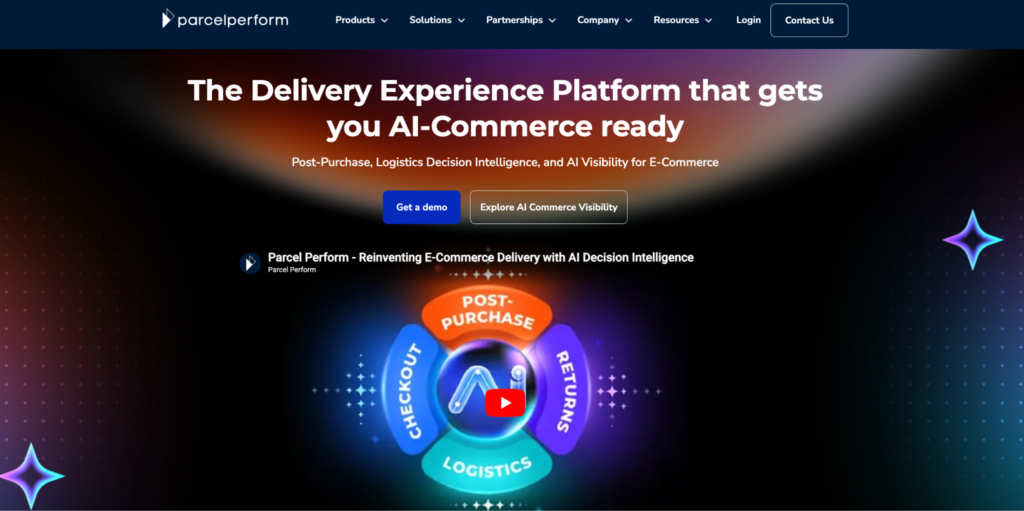
Most alternatives on this list begin with the customer experience. Parcel Perform often begins somewhere else entirely. The shipping operation.
Large retailers eventually reach a point where carrier performance becomes impossible to ignore. Delays increase. Delivery times vary. Different shipping partners produce different outcomes.
At that stage, understanding the network becomes just as important as communicating with customers. Parcel Perform is frequently evaluated by teams that want answers to questions such as:
- Which carriers are underperforming?
- Where are delays becoming more common?
- How is delivery performance changing over time?
- Which shipping routes create the most issues?
To support that analysis, the platform offers:
- Multi-carrier tracking
- Delivery analytics
- Carrier performance reporting
- Global shipment visibility
- Operational reporting
- Logistics insights
The customer experience remains important, but Parcel Perform often appeals most to operations teams trying to understand the bigger picture.
Why These Alternatives Attract Different Retailers
One reason Narvar comparisons can become confusing is that the alternatives aren’t competing for the exact same buyer.
A retailer struggling with delivery-related support tickets often ends up evaluating WISMOlabs. A brand focused on customer engagement may lean toward parcelLab. Companies looking for simplicity frequently shortlist AfterShip or Wonderment.
Malomo tends to attract brands that care about post-purchase branding, while Parcel Perform often appeals to logistics and operations teams.
Viewed that way, the decision becomes less about replacing Narvar and more about deciding which problem deserves the most attention.
Enterprise Isn’t Always the Goal
Software buying conversations sometimes create the impression that every company wants a larger platform. In reality, many businesses are moving in the opposite direction. They want fewer moving parts. More focus. Less complexity.
That’s one reason Narvar alternatives continue to gain attention across the e-commerce market. Retailers aren’t necessarily looking for a smaller version of Narvar. They’re looking for software that aligns more closely with their priorities. And those priorities can vary dramatically from one business to the next.
The Search Usually Starts Somewhere Else
Most companies don’t wake up one morning and decide to search for Narvar alternatives. The search usually begins with something much more practical.
Support teams are overwhelmed. Customers aren’t getting enough information. Tracking pages feel disconnected from the brand. Operations need better visibility. Returns become harder to manage.
The platform search comes later. The real challenge appears first. That’s why the best alternative is rarely the one with the longest feature list. It’s usually the one who solves the problem that started the conversation in the first place.